We Don't Sell Strategies, We Actually Research Them
Do you prioritize transparency in your work?
Watch how problems are solved
Step-by-step explanation
Everything you need in one powerful platform
Dozen Diamonds India Pvt. Ltd.
SEBI Registered Research Analyst
Reg. No: INH000023889
100+
Trusted Investors
Question Box
Find clear answers to trading & investment questions — or ask your own.
Ask Your Question
Quick Actions
Didn't find your answer? Ask us directly.

Brokers Integrated (6)






Brokers in Progress (8)








Kosh App
Web App
Internal
Last App Update :06th Feb 2026
Smart Trading with Algorithms & Proven Strategies
Experience stress-free trading powered by disciplined algorithms and well-tested strategies designed to focus on consistency, risk control, and long-term profitability.
AI-Powered Automation
Stressless automated equity trading with advanced algorithms
100% Transparency
No hidden fees. Full visibility into every trade
Generate Extra Cash
Earn passive income with every executed order
SEBI Registered
Fully compliant with bank-grade security
Join 100+ traders who trust Dozen Diamonds
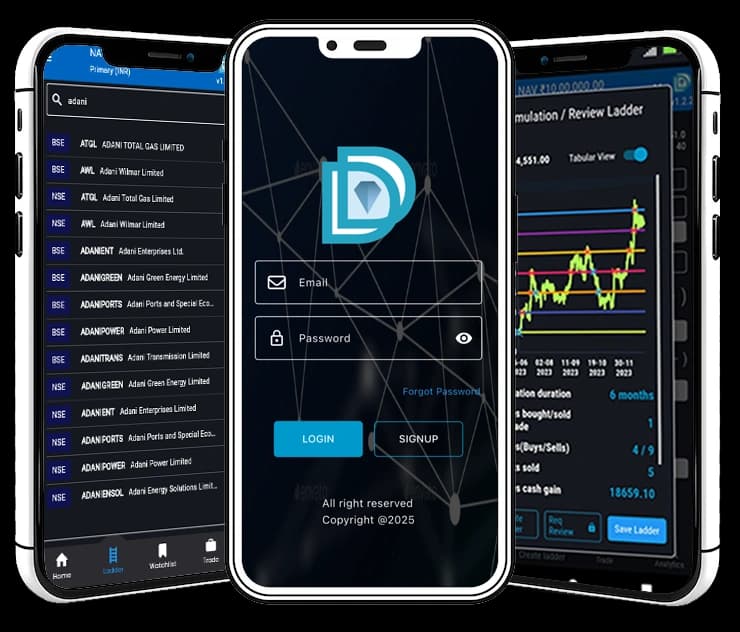
Experience Automated Stressless Trading With Our App.
The app runs on an advanced algorithm powered by cutting-edge data analysis. It eliminates any stress involved in trading and lets you trade even without prior technical knowledge or prior trading experience.
The advanced algorithm generates Extra Cash with every executed order.
Generate Extra Cash With Every Executed Order
Maximize your returns with every trade you make
Stressless Beginner-Friendly Trading Method
No prior experience needed - start trading today
Prediction-less Strategy
Remove the guesswork from your trading decisions
Invest In The Stocks That You Like
The platform is powered by advanced algorithm and cutting-edge data analysis.It recommends the best approach to generate Extra Cash with every executed order.
Advanced Algorithm
Powered by cutting-edge data analysis
Extra Cash Generation
With every executed order
Smart Suggestions
App-apt suggestions for maximum returns

Powerful Features for
Stressless Trading
Discover why thousands of traders trust our platform for automated, secure, and profitable trading experiences.

User Friendly
Intuitive and seamless interface designed for everyone.
Stressless Trading
Automated equity platform for completely stress-free trading.
Generate Extra Cash
Earn passive income with every executed order.
Secure & Beginner Friendly
Kosh app provides a secure & beginner friendly interface.
Stressless Wisdom:
Read, Learn, Grow
Stay updated with the latest insights, strategies, and market trends to make informed trading decisions

Algorithmic Trading Explained: How Automated Trading Works
Learn how algorithmic trading works, why rule-based execution outperforms emotional trading, and how automated systems can help retail traders stay consistent.
White Box Algo Trading vs Black Box: What Traders Must Know
Understand the real difference between white box and black box algo trading systems, the risks retail traders face, and why transparency matters more than performance.

Global Market vs Domestic: How Global Trends Shape India
Understand how global markets influence domestic stock performance, when those signals matter, and how Indian investors can navigate global market dynamics without emotional decision-making.
Market Volatility 2026: Sentiment, Risks & Smart Moves
Understand why market volatility rises after the New Year, how investor sentiment shapes price movement, and how to protect capital during volatile markets.
Stock Market Outlook 2026: Key Investment Themes Ahead
Discover which investment themes matter for 2026, which risks are underestimated, and how to position yourself without relying on predictions.
Why Passive Investing Is Becoming Dominant Among Retail Investors
Discover why index funds and ETFs are absorbing retail inflows, how behavior drives the passive shift, and where systematic investing works best.
Expert Trading Guidance
Transform Your Financial Future
Our expert trainers are here to guide you at every step, ensuring you experience an unparalleled investment journey while operating on the world's first automated stressless trading platform.
Registration granted by SEBI does not guarantee the performance of the company or provide any assurance of returns to investors.
SEBI Registration No: INH000023889
Flat No 10, Pink Rose Soc Garden Estate, Near K.J. Mehta School, Nashik Road, Nashik, Maharashtra 422101